When most people think of how summer in Texas affects their bodies, they’re only thinking of heat and maybe humidity. One might think summer = hot and uncomfortable. That’s not incorrect, but summer in Texas can also affect your respiratory health. From smog and city air pollutants to Saharan dust, the Texas summer air quality can make breathing feel harder in the summer.

In the summer larger cities like San Antonio are often inundated with air pollutants. First, ozone levels increase. Then wildfire smoke drifts in from hundreds or thousands of miles away, followed by Saharan Dust! Combine this with stagnant air and humidity and you’ve got a scenario ripe for causing all sorts of allergy and asthma issues.
OZONE ALERTS
Ozone Season is active in San Antonio from March – November. During this time the Texas Commission on Environmental Quality will often issue “Ozone Action Days” when ground-level ozone is too high. This happens when sunlight and a variety of air particulates and pollutants, like smoke, car exhaust, and industrial emissions, plus humidity mix together.
For people with asthma, allergies, COPD or other lung issues, high ozone levels can cause issues with breathing, coughing, wheezing, and asthma attacks. When an Ozone Action Day is issued it’s best to take precautions. Stay inside if you can and avoid opening the windows.
Wildfire Smoke
When wildfires in California, Arizona or Colorado occur, residents in Texas know there’s a chance they’ll smell it. Smoke from western wildfires can drift hundreds or even thousands of miles. Even if you can’t smell the smoke in the air, you’ll notice a haze at least. The fine particles of ash and debris get breathed in by us and even from hundreds of miles away the symptoms of wildfire smoke can be felt:
- bronchitis-like symptoms
- coughing
- allergy-like sneezing
- sinus irritation
- wheezing and COPD symptom exacerbation
If you know that wildfire smoke is drifting through your area, do your best to go out early in the morning or late in the evening, when winds have calmed down (usually). Wear glasses or sunglasses to help protect your eyes and avoid heavy exercise outdoors. If you need to exercise, go to a gym or do an indoor workout at home.
Saharan Dust
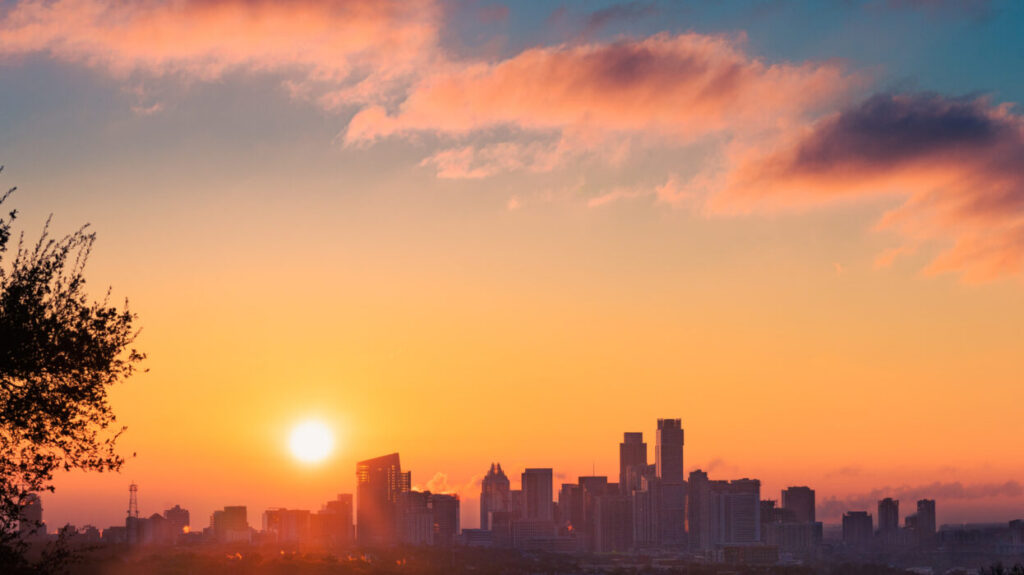
Every summer plumes of dust from the Saharan Desert make their way across the ocean to places like Texas. One thing people love about it is the amazing sunsets it creates! However, while the sunsets are beautiful, the allergy and asthma symptoms caused by Saharan Dust are not. When combined with already-high ozone levels and humidity, expect to see a worsening of symptoms like:
- Coughing
- Wheezing
- Sinus Irritation
- Water and Irritated Eyes
- Trouble breathing
If you find that you’re experiencing worsening asthma and allergy symptoms, or that you’re using your inhaler more often than usual, contact us. When breathing feels harder in the summer, Dr. Hallett can help you find a better way to manage your asthma and allergy symptoms. Don’t let Texas air quality in the summer put a damper on your vacation plans!